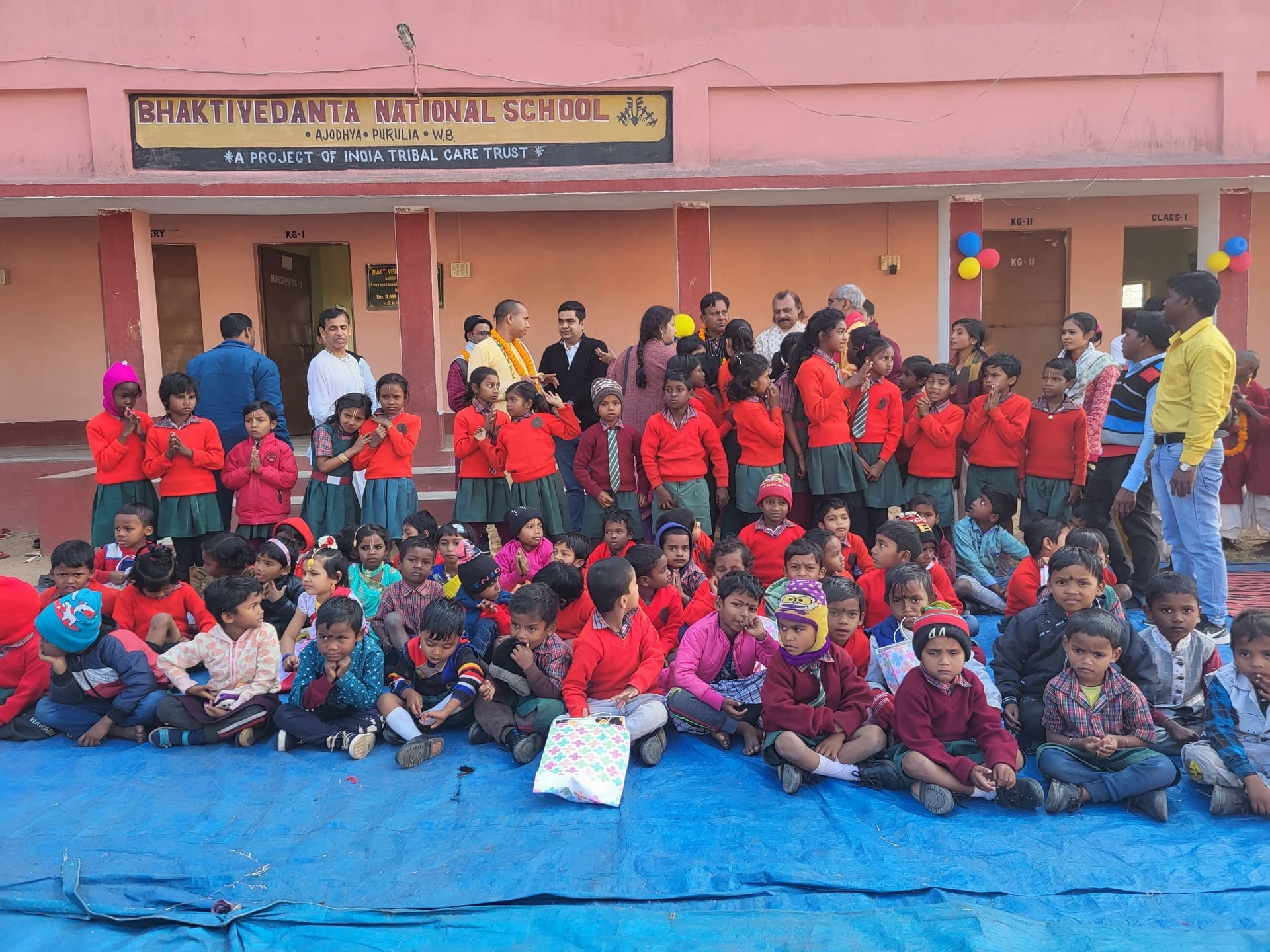
Combating Tribal Malnutrition: Organic Nutri-Gardens and Free Meal Distribution Programs

Hunger is not merely an absence of food; it is a profound barrier to human potential, learning, and survival. In the remote forest belts of eastern and northeastern India, chronic malnutrition remains one of the most severe yet under-reported humanitarian challenges. Decades of economic isolation, soil erosion, seasonal droughts, and changing forest protection laws have severely restricted traditional indigenous food sources.
For thousands of tribal families living in the interior hamlets of West Bengal, Jharkhand, Assam, and Odisha, daily meals consist primarily of plain boiled rice with salt or wild greens. Diets severely lack essential proteins, healthy fats, vitamins, and minerals like iron, zinc, and calcium. Consequently, child stunting (low height for age), wasting (low weight for height), and severe anemia among pregnant and lactating mothers have reached alarming levels.
To break this cycle of generational undernourishment, the India Tribal Care Trust (ITCT) has developed an integrated, sustainable Nutrition and Food Security Security Initiative. Combining immediate free meal distribution with long-term organic Nutri-Gardens (Poshan Vatika) and nutrition education, ITCT is ensuring that no tribal child goes to bed hungry or malnourished.
The Anatomy of Malnutrition in Forest Hamlets
To solve malnutrition effectively, one must understand its root socio-economic and environmental causes in tribal regions:
1. Seasonal Food Insecurity (Lean Months)
During the monsoon season (July to September), agricultural work grinds to a halt, and forest trails become impassable due to swollen streams. During these "lean months," household food reserves run out completely, forcing families to reduce their meal intake to once a day.2. Loss of Biodiversity in Tribal Diets
Historically, indigenous communities consumed over 40 varieties of wild forest tubers, leafy greens, mushrooms, nuts, and millets. As forests degraded and monoculture farming expanded, these nutrient-rich wild foods disappeared, replacing a diverse diet with polished white rice.
3. Micronutrient Deficiency (Hidden Hunger)
Even when children receive enough calories from rice to satisfy immediate hunger, they suffer from "hidden hunger"—a severe deficiency of essential micronutrients. Lack of Vitamin A causes night blindness and weakened immunity, while iron deficiency leads to severe anemia, cognitive impairment, and chronic fatigue.ITCT's Integrated Nutrition Strategy: Emergency Aid to Sustainability
ITCT approaches nutrition through a multi-tiered model that addresses emergency hunger while building long-term village food sovereignty.
Tier 1: Free Daily Meal Distribution and School Nutrition
At all ITCT-run schools, hostels, and village learning centers (Pathshalas), children receive freshly cooked, hot, multi-nutrient meals every single day. Prepared under strict hygiene standards, these meals incorporate:- Protein-Rich Pulses and Legumes: Lentils (dal), chickpeas, and soybeans providing essential amino acids for muscle and brain growth.
- Fresh Seasonal Vegetables: Spinach, pumpkin, papaya, bottle gourd, and beans sourced from local organic gardens.
- Fortified Staples: Whole wheat flatbreads (rotis), unpolished rice, and jaggery (gur) enriched with natural iron.
- Nourishing Milk and Energy Snacks: Daily distribution of fresh milk, bananas, and roasted peanuts rich in healthy fats.
Tier 2: Organic Nutri-Gardens (Poshan Vatika) in Every Household
While free meal distribution provides immediate relief, long-term food security requires empowering families to grow their own food. ITCT initiated the Organic Nutri-Garden Project, supplying indigenous households with high-quality seeds, saplings, organic compost, and drip-irrigation tools.
Each Nutri-Garden is designed around a micro-space adjacent to the family's mud home, cultivated using zero-chemical organic techniques:
- Vitamin A & C Boosters: Papaya, drumstick (Moringa), spinach, and tomatoes. Moringa leaves, in particular, are a superfood powerhouse containing 7 times more Vitamin C than oranges and 4 times more calcium than milk.
- Iron & Mineral Providers: Amaranth greens (Lal Saag), fenugreek, and sweet potatoes.
- Perennial Fruit Trees: Mango, guava, lemon, and banana trees providing year-round fruit yield.
Tier 3: Maternal and Infant Nutrition Support
Parenthood begins in the womb. ITCT health workers conduct specialized Maternal Nutrition Drives, identifying pregnant and lactating mothers in remote hamlets. These mothers receive monthly nutritional kits containing:- High-protein nutritional health mixes (Sattu and malted millets).
- Folic acid, iron, and calcium supplements.
- Hygienic cooking utensils and clean water storage vessels.
- Educational counseling on breast-feeding practices, weaning foods, and sanitary food handling.
Transforming Health Metrics Across Project Hamlets
The impact of ITCT's sustained nutrition programs across West Bengal, Jharkhand, and Assam has been remarkable:
- 85% Reduction in Severe Malnutrition: In villages where Nutri-Gardens and school meal programs have operated for over two years, Grade III and IV severe acute malnutrition (SAM) has been practically eliminated.
- Dramatic Increase in School Attendance: Daily school attendance has risen above 92%, as children arrive eager to learn and enjoy hot, wholesome meals with their peers.
- Reduction in Maternal Anemia: Hemoglobin levels among participating expectant mothers have improved significantly, leading to safer deliveries and healthier birth weights for newborns.
- Economic Empowerment: Families with surplus produce from their Nutri-Gardens sell extra vegetables at local weekly markets (Haats), generating modest supplementary household income.
The Story of Little Rupa: From Weakness to Vitality
In a small forest hamlet in Purulia, four-year-old Rupa Tudu was severely underweight, listless, and frequently afflicted by fever and skin rashes. Her parents, landless daily wage earners, could barely afford two simple meals of boiled rice a day.
When ITCT opened a village learning center in her hamlet, Rupa was enrolled in the daily nutrition program. She began receiving hot meals cooked with spinach, lentils, and drumstick leaves, alongside daily fresh milk and fruit. Simultaneously, ITCT volunteers helped her mother plant a Nutri-Garden behind their home with Moringa, papaya, and sweet potato saplings.
Within six months, Rupa's transformation was extraordinary. Her weight increased by 3.5 kilograms, her skin cleared, and her energy soared. Today, Rupa is a bubbly, active student who loves dancing and reading picture books. "I used to cry every night seeing my daughter so weak," her mother shared with tears in her eyes. "ITCT did not just give us food; they gave my child her life back."
How You Can Help Eradicate Tribal Hunger
Eradicating malnutrition among indigenous children is an achievable goal that requires collective action and compassionate support. By partnering with the India Tribal Care Trust, you can make an immediate, life-saving difference:
- Sponsor a Child's Daily Meals: Provide a year of nutritious daily school meals for a tribal child for just a small monthly contribution.
- Fund an Organic Nutri-Garden Kit: Supply a tribal family with seeds, fruit saplings, organic fertilizer, and tools to build a self-sustaining home garden.
- Support Maternal Nutrition Kits: Provide essential health mixes, milk powder, and vitamins to an expectant tribal mother.
- Sponsor Community Kitchen Equipment: Help equip a village school kitchen with large stainless steel cooking vessels, gas stoves, and water purifiers.